Spray foam insulation has emerged as a popular choice for homeowners and builders seeking long-lasting thermal protection. Its unique properties offer a range of benefits that make it an attractive option for both residential and commercial applications. As energy efficiency continues to be a priority, spray foam insulation provides an effective solution by minimizing heat loss and enhancing comfort.
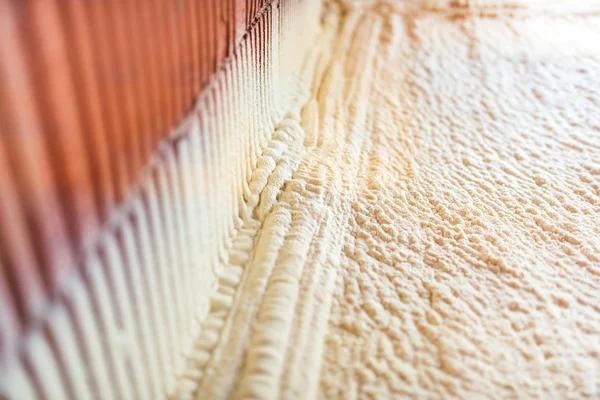
One of the primary advantages of spray foam insulation is its superior insulating capabilities compared to traditional materials like fiberglass or cellulose. Spray foam expands upon application, filling gaps and sealing cracks that other types of insulation might miss. This ability to create an airtight seal significantly reduces air leakage, which is one of the main contributors to energy loss in buildings. By preventing drafts and maintaining consistent indoor temperatures, spray foam helps reduce heating and cooling costs throughout the year.
Moreover, Spray Foam Insulation offers excellent durability. Once applied, it hardens into a solid mass that adheres well to surfaces, providing structural support in addition to thermal protection. Unlike some other forms of insulation that can settle or degrade over time, high-quality spray foam maintains its effectiveness for decades without requiring replacement or maintenance. This longevity makes it a cost-effective investment for property owners looking for sustainable solutions.
In addition to its thermal benefits, spray foam also contributes to improved indoor air quality. The airtight barrier created by the foam prevents outdoor pollutants such as dust, pollen, and mold spores from infiltrating living spaces. This is particularly beneficial for individuals with allergies or respiratory conditions who need clean indoor air environments.
Another noteworthy feature of spray foam insulation is its versatility in application. It can be used in various parts of a building including walls, ceilings, floors, attics, and crawlspaces. Its adaptability allows it to conform to irregular shapes and tight spaces where traditional insulating materials might struggle to fit effectively.