
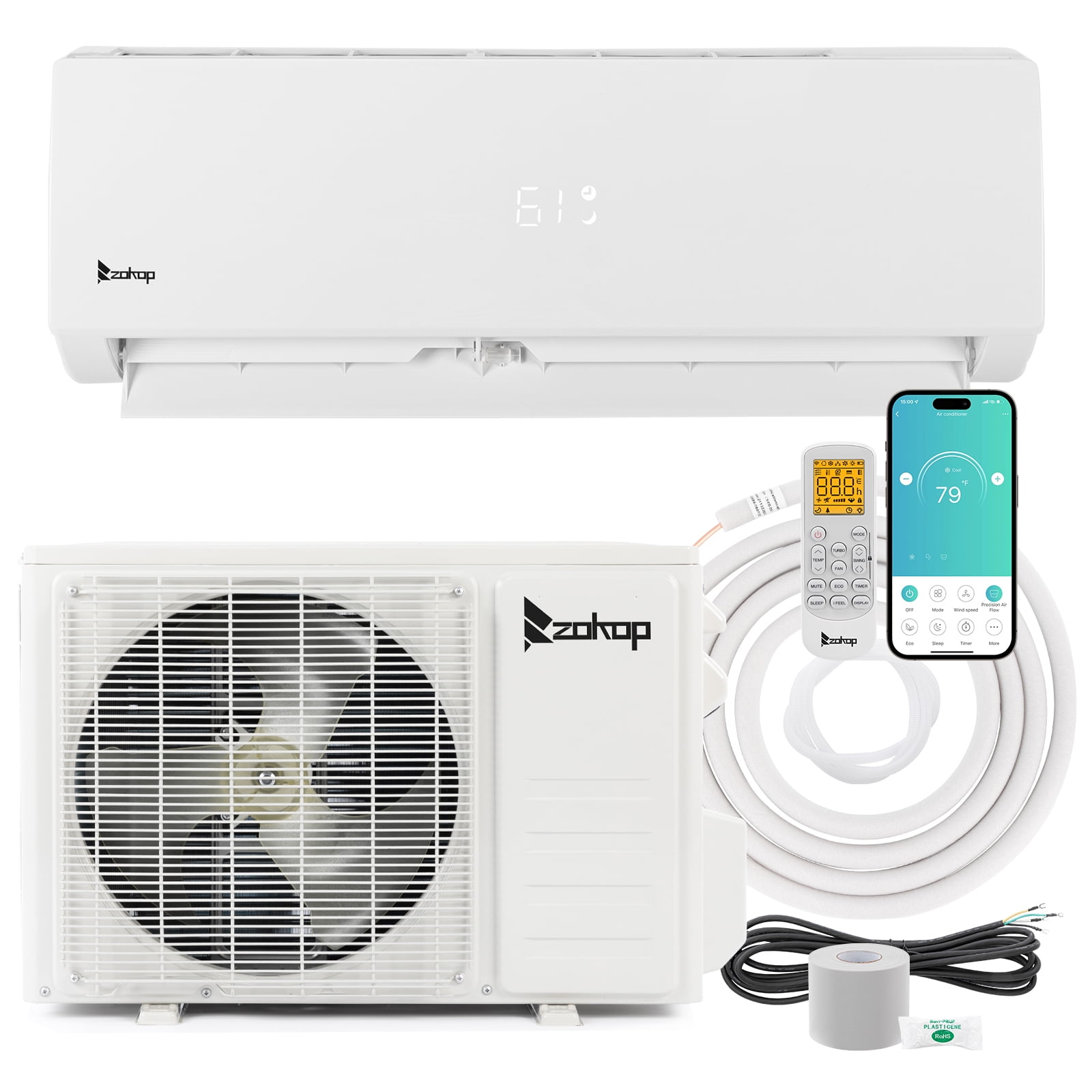
When considering air conditioners for your home or office, understanding noise levels is an important factor that often gets overlooked. The sound produced by an air conditioner can significantly impact comfort and overall satisfaction with the unit. Noise levels in air conditioners vary depending on several factors, including the type of system, its size, design features, and installation quality. Typically measured in decibels (dB), these noise levels indicate how loud the unit will be during operation.
Air conditioners produce noise primarily from two sources: the compressor and the fan. The compressor generates mechanical sounds as it compresses refrigerant to cool the air, while fans move air through coils and vents, creating airflow-related noise. Split systems generally operate more quietly than window units because their compressors are located outside the living space. Central air conditioning systems also tend to be quieter indoors since most noisy components are housed away from occupied rooms.
Modern manufacturers have made significant advancements to reduce operational noise in newer models. Innovations such as variable speed compressors allow units to run at lower speeds when full power is unnecessary, which decreases sound output considerably compared to traditional single-speed compressors. Additionally, improved insulation materials around components help dampen vibrations and muffling noises before they reach indoor spaces.
Noise level expectations differ based on where you plan to install your AC unit. click for details bedrooms or study areas where quietness is critical for sleep or concentration, choosing a model with low decibel ratings-typically below 50 dB-is advisable. In contrast, living rooms or kitchens may tolerate slightly higher noise without causing discomfort due to ambient household sounds masking some of the AC’s hum.
It is also essential to consider proper installation when aiming for minimal noise disturbance. Incorrect mounting can lead to increased vibration transmission through walls or floors, amplifying perceived loudness inside your space. Hiring experienced technicians ensures secure placement with vibration isolators if necessary and correct alignment of parts that reduces friction-induced sounds.
Regular maintenance plays a role in keeping noise levels down over time as well. Accumulated dirt on fan blades or worn-out bearings can cause rattling or buzzing noises indicating potential mechanical issues requiring attention before they worsen.
In summary, being informed about typical sound ranges and what influences them helps consumers select quieter air conditioning options suited for their environment while maintaining comfort efficiently throughout hot seasons without unwanted distractions caused by excessive operational noise.