Heating, ventilation, and air conditioning (HVAC) systems play a crucial role in determining the energy efficiency of residential and commercial buildings. The infrastructure of an HVAC system, which includes its design, components, installation quality, and maintenance practices, directly influences how effectively it manages indoor climate while minimizing energy consumption. A well-planned HVAC infrastructure ensures that heating and cooling demands are met without excessive power usage or unnecessary strain on equipment.
One key factor is the selection of appropriately sized equipment. Oversized units cycle on and off frequently, leading to increased wear and higher energy use due to inefficient operation during short cycles. Conversely, undersized systems struggle to maintain desired temperatures efficiently by running continuously at full capacity. Properly sized HVAC components optimize performance by matching read the complete guide specific thermal load requirements of a building.
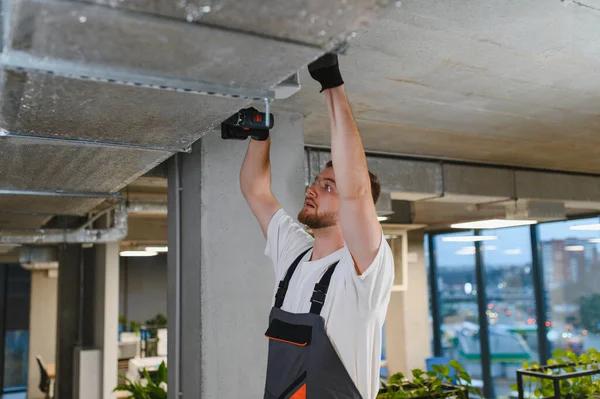
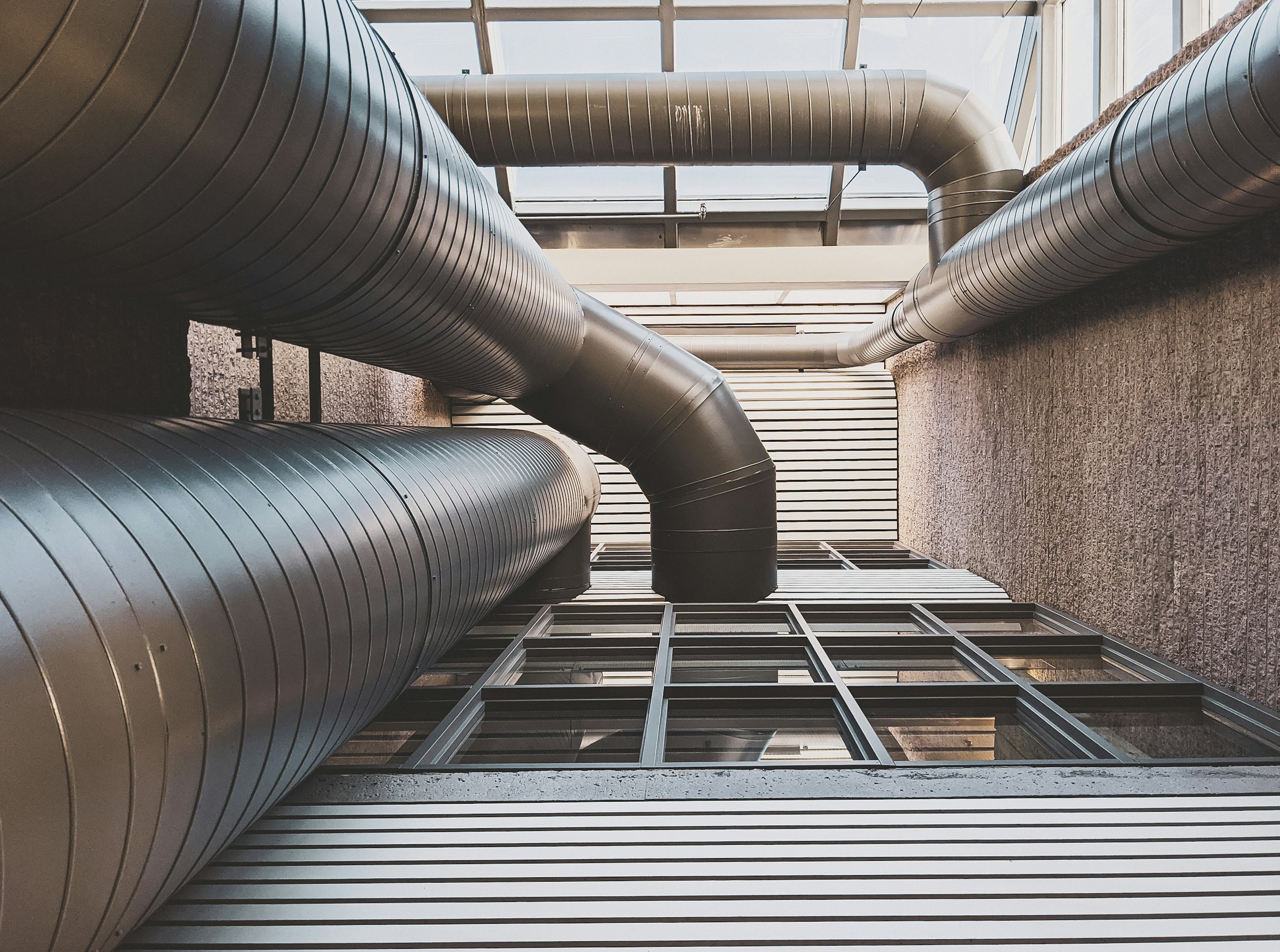
Ductwork design also significantly impacts energy efficiency within an HVAC system. Poorly insulated or leaky ducts allow conditioned air to escape before reaching intended spaces, causing temperature imbalances that force the system to work harder. Well-sealed ducts with adequate insulation reduce heat loss in winter and heat gain in summer while improving airflow distribution throughout the building. This prevents overworking the system’s compressors or heaters and lowers overall electricity demand.
The choice of technology integrated into an HVAC setup further affects its energy profile. Modern high-efficiency furnaces, variable-speed blowers, smart thermostats, and advanced refrigerants contribute to reduced operational costs by adapting output based on real-time conditions rather than operating at fixed levels regardless of need. Variable refrigerant flow (VRF) systems exemplify this adaptability by modulating cooling or heating precisely where required instead of treating all zones identically.
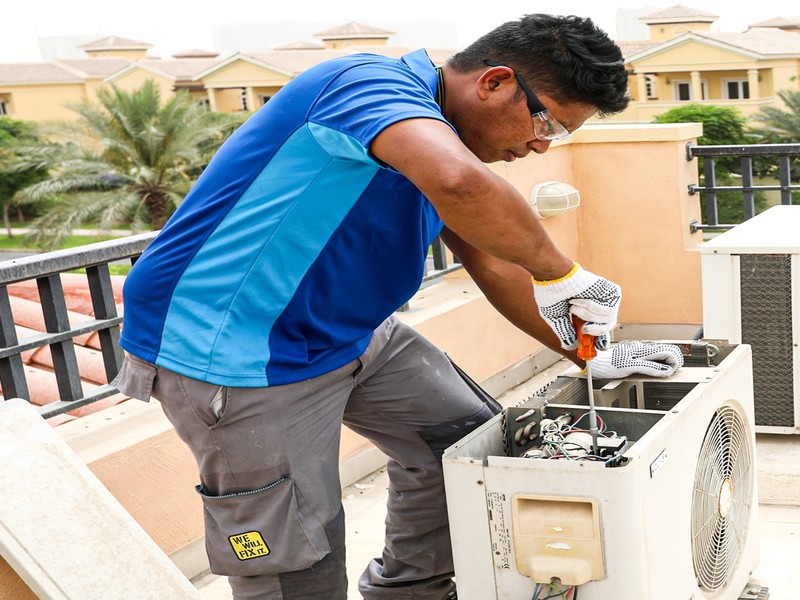
Proper installation is essential for maximizing these efficiencies since even top-tier equipment performs poorly if poorly installed or configured incorrectly. Ensuring correct refrigerant charge levels prevents compressor inefficiencies caused by undercharging or overcharging systems; similarly, accurate airflow calibration avoids pressure drops that increase fan motor workload unnecessarily.
Routine maintenance sustains optimal performance over time as filters clogged with dust impede airflow while dirty coils reduce heat exchange effectiveness between indoor air handlers and outdoor condensers or boilers. Regular inspections identify leaks early so repairs can be made promptly before significant energy losses occur.
In summary, efficient HVAC infrastructure depends on thoughtful equipment sizing tailored to building needs; airtight ductwork minimizing thermal losses; incorporation of modern technologies allowing dynamic operation; meticulous installation guaranteeing proper configuration; alongside consistent upkeep preserving peak functionality-all contributing toward lower utility bills while maintaining comfortable indoor environments year-round through responsible resource management strategies embedded within engineering choices guiding system development from inception through lifecycle management stages.