In the aftermath of a storm, homeowners often find themselves dealing with a multitude of repairs and restorations. One critical aspect that requires immediate attention is the air conditioning system. Storm damage can severely impact an air conditioning unit’s functionality, leading to discomfort in the home and potentially costly repairs if not addressed promptly.
The first step in addressing storm damage to your air conditioning system is conducting a thorough inspection. After ensuring it is safe to do so, examine the outdoor unit for visible signs of damage such as dents, debris lodged within the unit, or any displaced components. It’s crucial to check website for water intrusion as well since heavy rains can lead to flooding which may affect both indoor and outdoor units.
Once you have assessed the physical condition of your AC unit, turn your attention towards its operational aspects. If there was a power outage during the storm, ensure that electricity has been fully restored before attempting to restart your system. It might be wise to wait until a professional has inspected it if you suspect electrical components could have been compromised by water exposure or lightning strikes.
If you notice any unusual noises or vibrations when starting up your AC unit post-storm, this could indicate internal damage such as bent fan blades or misaligned parts due to strong winds or flying debris. In such cases, it’s advisable not to attempt further operation until these issues are resolved by a qualified technician.
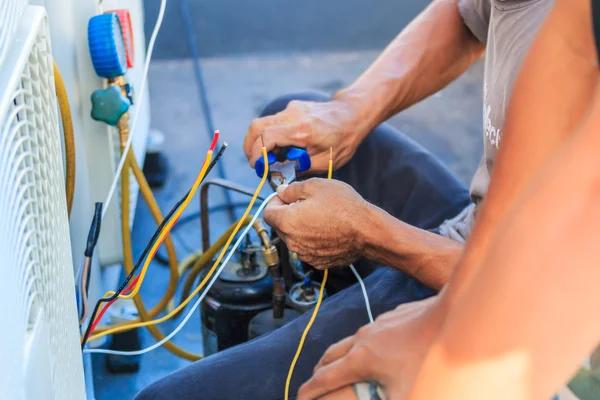
Storms can also impact refrigerant lines causing leaks which will significantly reduce cooling efficiency and may cause long-term harm if left unattended. Signs of refrigerant issues include reduced cooling performance and hissing sounds from the unit. These problems require immediate professional intervention for leak detection and repair.
Moreover, clogged drains are another common issue following storms due to accumulated debris blocking drainage pathways leading away from condensation pans; this can result in overflow scenarios causing water damage inside your home. Regular maintenance checks should include clearing these drains as part of preventive measures against future storms.
To prevent extensive damages from future storms consider installing protective covers over outdoor units when severe weather is predicted but remember they must be removed once normal conditions resume for optimal airflow during operation periods.
In conclusion maintaining vigilance through regular inspections especially after severe weather events coupled with timely interventions by skilled professionals ensures longevity and reliability in home cooling systems despite nature’s unpredictability thus safeguarding comfort levels indoors year-round while avoiding unnecessary expenditures on major repairs down line making proactive care indispensable component responsible ownership today’s ever-changing climate scenario worldwide .