
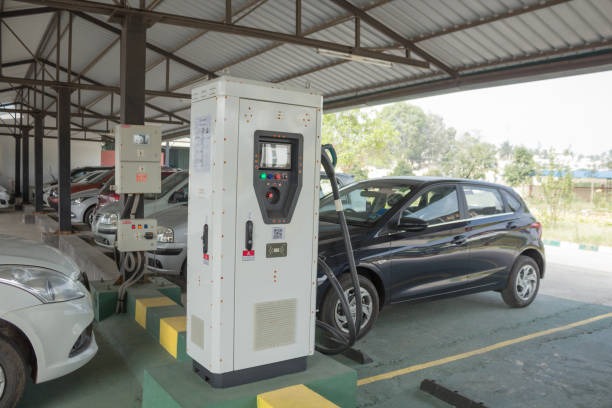
As the world moves toward sustainable energy solutions, the integration of electric vehicle (EV) infrastructure and solar power is transforming homes into eco-friendly powerhouses. This synergy not only reduces carbon footprints but also offers homeowners significant cost savings and energy independence.
The adoption of solar panels has been steadily increasing as more homeowners recognize their potential to harness renewable energy directly from the sun. Solar panels convert sunlight into electricity, which can be used to power household appliances, reducing reliance on traditional fossil fuels. The installation of these panels on rooftops or in backyards allows for efficient use of space while contributing to a reduction in greenhouse gas emissions.
Simultaneously, explore the website rise of electric vehicles presents an opportunity for households to further diminish their environmental impact. EVs are powered by electricity rather than gasoline or diesel, making them cleaner alternatives for transportation. By integrating EV charging stations at home, owners can conveniently charge their vehicles overnight using solar-generated electricity during the day.
This combination creates a closed-loop system where homes generate clean energy that powers both domestic needs and transportation requirements. Homeowners with this setup benefit from reduced utility bills since they rely less on grid electricity and gasoline purchases. Moreover, any excess energy produced by solar panels can be fed back into the grid through net metering programs, allowing homeowners to earn credits or even income.
The financial implications extend beyond immediate savings; investing in solar panels and EV infrastructure increases property value significantly as sustainability becomes a priority for prospective buyers. Homes equipped with such technologies are seen as forward-thinking investments that align with global efforts towards carbon neutrality.
Technological advancements have made these systems more accessible than ever before. The cost of solar panel installation has decreased over recent years due to innovations in photovoltaic technology and increased competition among manufacturers. Similarly, governments worldwide offer incentives like tax credits or rebates for installing EV chargers at home—further encouraging adoption among consumers seeking environmentally responsible choices without breaking their budgets.