
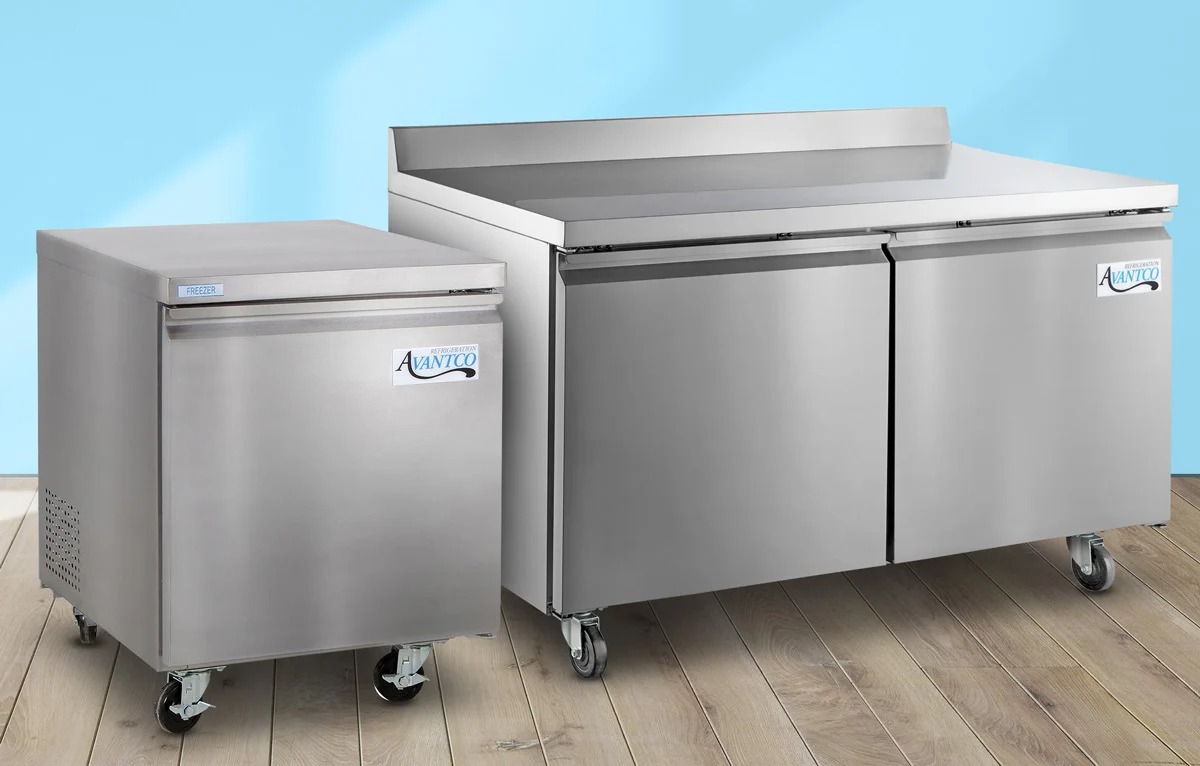
Commercial refrigeration plays a crucial role in maintaining product quality across various industries, particularly in food service, retail, and pharmaceuticals. By providing a controlled environment with consistent low temperatures, commercial refrigeration systems help slow down the natural processes that lead to spoilage and degradation of perishable goods. This temperature regulation is essential for preserving freshness, extending shelf life, and ensuring safety for consumers.
In the food industry, refrigeration units such as walk-in coolers, display cases, and refrigerated storage rooms are indispensable. These systems keep products like dairy items, meats, fruits, vegetables, and prepared foods at optimal temperatures to prevent bacterial growth and enzymatic reactions that cause decay. Without proper refrigeration, these products would deteriorate rapidly due to microbial activity or chemical changes triggered by exposure to ambient conditions. Maintaining precise temperature control also helps retain texture, flavor, color, and nutritional value-key factors influencing customer satisfaction.
Pharmaceuticals represent another sector heavily reliant on Commercial Refrigeration to uphold product efficacy. Many medications require strict temperature ranges during storage and transport; deviations can result in reduced potency or complete loss of effectiveness. Vaccines are particularly sensitive to temperature fluctuations; improper handling may compromise their ability to provide immunity. Commercial refrigerators designed for pharmaceutical use often include advanced monitoring systems that alert staff if temperatures stray outside safe limits.
Energy efficiency is an important consideration when selecting commercial refrigeration equipment because it affects operational costs while supporting sustainability goals. Modern units incorporate technologies like improved insulation materials and variable speed compressors that optimize energy consumption without sacrificing performance. Efficient cooling not only reduces utility expenses but also minimizes environmental impact by lowering greenhouse gas emissions associated with electricity generation.
Regular maintenance of commercial refrigeration units further ensures consistent operation over time by preventing mechanical failures or refrigerant leaks that could disrupt temperature stability. Routine inspections include checking seals on doors or lids to avoid cold air loss as well as cleaning condenser coils which enhance heat exchange efficiency. Staff training on proper loading practices complements equipment upkeep by avoiding overcrowding or blocking airflow inside compartments-a common issue leading to uneven cooling.
Overall, commercial refrigeration serves as a fundamental component in safeguarding product quality from production through delivery stages. Its ability to maintain specific temperature environments protects against spoilage risks while preserving sensory attributes vital for consumer appeal and regulatory compliance alike. Investing in reliable refrigeration solutions combined with diligent maintenance supports business continuity by reducing waste and enhancing customer trust through consistently fresh offerings available whenever needed.