
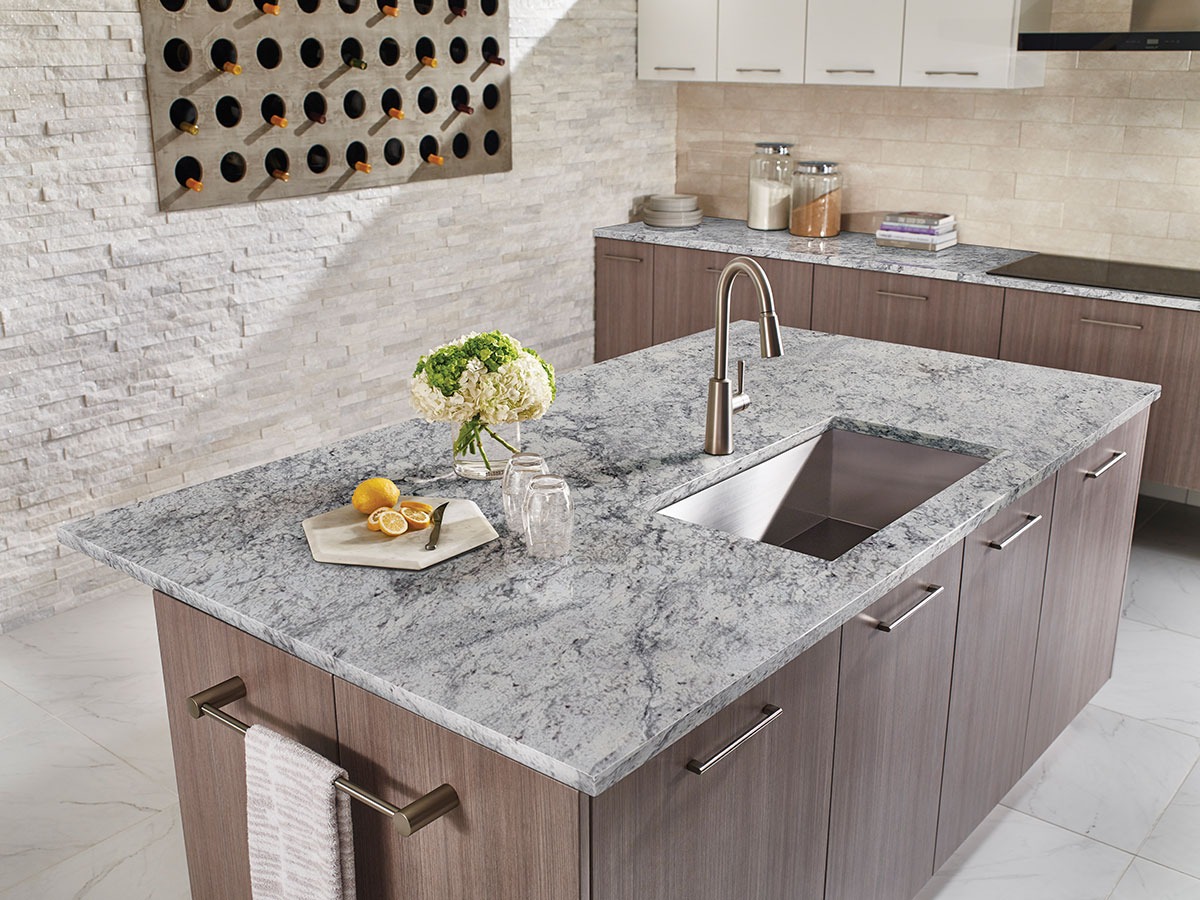
The world can’t seem to get enough of Indian granite. From towering skyscrapers in New York to peaceful memorial parks in Iceland, granite from India is shaping the global landscape—literally and figuratively.
As someone who’s seen how this industry has evolved over the years, I can tell you that we’re not just talking about stone here. We’re talking about heritage, innovation, and global trade power.
One of the companies leading this movement is Devinarayan Granites Limited, a granite exporter from India that has built a name on quality, craftsmanship, and trust. Let’s dive into what’s really going on behind this export boom and what it means for the world.
Why Indian Granite is Dominating Global Markets
There’s something timeless about Indian granite. It’s tough, beautiful, and it tells a story in every slab.
But why is it suddenly more popular than ever?
First, variety. India offers a stunning selection of granite colors and patterns—from the deep blacks of Premium Black to the intricate swirls of Indian Juparana and the ocean-like blues of Vizag Blue. Whether it’s North Indian granite known for its bold shades or the softer, more refined tones from the South, there’s something for every architectural taste.
Second, it’s built to last. Indian granite is naturally dense and weather-resistant, making it perfect for both indoor and outdoor use—from kitchen countertops to war memorials.
Lastly, it’s the people. Indian artisans are highly skilled, and manufacturers are now blending traditional stonework with modern finishes like flamed, leathered, and honed textures that meet the global aesthetic.
Key Export Markets for Indian Granite (2025)
The demand for Indian granite is spreading across continents.
- United States: Leading buyer of polished slabs, tiles, and countertops for construction and home décor.
- Germany, France, Austria, Ireland: Big demand for headstones and custom monuments.
- Australia and Canada: Interested in landscaping granite, rock-pitched naturals, and outdoor furniture.
- Iceland: Loves rugged, naturally finished granite for eco-sensitive designs.
Each market has its own style. For instance, American buyers lean toward minimalism and large, polished surfaces. Europeans often request sculpted memorial stones with cultural detailing.
Major Trends in Indian Granite Exports
This boom isn’t just about volume—it’s about evolution. Here are the most notable shifts:
1. Customization is King
Buyers want more than basic slabs. They ask for laser-cut edges, thermal finishes, and even custom monuments with cultural significance.
2. Granite Furniture is Gaining Ground
Think stone benches, garden tables, and even weatherproof fireplaces. It’s functional art.
3. Sustainability and Certification Matter
ISO certification, like that held by Devinarayan Granites Ltd, is now essential for global trade. Clients want to know the stone is ethically sourced and environmentally handled.
4. Tech-Powered Export Process
From CAD designs to automated container loading, Indian exporters are upping their logistics game. That’s why B2B buyers trust partners who can deliver consistently.
The Role of Indian Manufacturers in Global Supply Chains
Indian granite exporters aren’t just suppliers. They are strategic partners.
Let’s take Devinarayan Granites Limited again. They’ve been in the game for over 30 years, and their expertise runs deep:
- Own Quarries: Including Vizag Blue, Paradiso, and Multicolour—ensuring steady quality and supply.
- Full-Service Exporting: From block selection to expert crating and container documentation.
- Global Trust: Serving over 20 countries across 4 continents.
What sets companies like this apart is attention to detail. Every monument, tile, or slab is inspected, polished, and packed to meet the destination country’s import laws. It’s not just a shipment—it’s a promise delivered.
Challenges Faced by Indian Granite Exporters
Even with growth, this industry isn’t without its hurdles.
- Shipping Delays & Costs: Global freight fluctuations still affect margins.
- Quality Compliance: Each country has its own import standards.
- Political Trade Barriers: Sanctions and tariffs can slow operations.
But experienced exporters are adapting fast—setting up warehouses near ports, integrating digital customs platforms, and using lean inventory strategies.
Future Outlook: What’s Next for Indian Granite?
Looking ahead, the future is carved in stone—literally.
- New Markets: South America and the Middle East are beginning to show strong interest.
- Architectural Innovation: Mixed-material designs that use granite with glass, wood, and steel.
- Smart Stone Tech: Embedded lighting, texture sensors, or modular granite panels.
Expect the demand for Indian granite to go beyond monuments and countertops. It’s entering smart homes, luxury hotels, and public art installations.
How to Source Granite from India the Right Way
If you’re an importer, developer, or architect, choosing the right supplier is crucial.
Here’s what to look for:
- Certifications: ISO, Capexil, and industry memberships.
- Quarry Ownership: Direct control = consistent quality.
- Export Readiness: End-to-end service from finishing to freight.
- Custom Capabilities: Can they deliver exactly what your market needs?
Companies like Devinarayan Granites Ltd tick all these boxes. Their ability to offer unique textures, custom designs, and on-time delivery makes them one of the most respected names in the game.
Conclusion
The global boom in Indian granite exports isn’t just a passing trend—it’s a transformation. With unmatched variety, expert craftsmanship, and modern logistics, India has cemented its place as a natural stone powerhouse.
And for those who want more than just a slab—for those who want heritage, quality, and reliability—partnering with a company like Devinarayan Granites Limited is a smart first step.
Granite may be ancient, but the future it’s building is brand new.