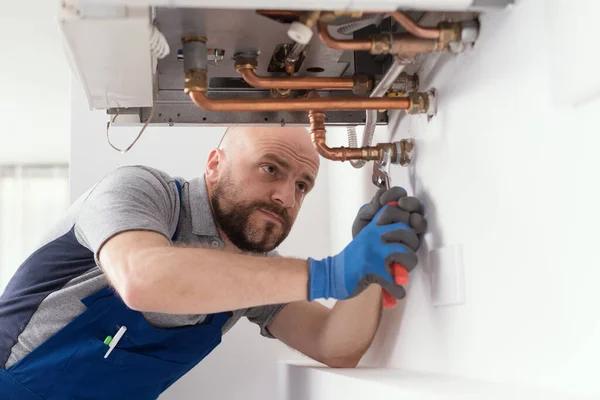
Repairing your hot water system can be a daunting task, but with the right approach and essential tips, you can improve its performance significantly. A well-maintained hot water system not only ensures a steady supply of hot water but also enhances energy efficiency and prolongs the lifespan of the unit. Here are some reliable tips to guide you through repairing your hot water system effectively.
Firstly, it is crucial to understand the type of hot water system you have. Systems vary widely from electric and gas-powered units to solar or heat pump systems. Each has unique components and requires specific maintenance procedures. Familiarize yourself with the manufacturer’s manual for detailed information on your particular model.
Regular inspection is key in identifying potential issues before they escalate into major problems. Check for leaks around valves and connections as these are common trouble spots that can lead to significant inefficiencies if left unattended. Leaks often indicate worn-out parts or loose fittings that need tightening or replacement.
Flushing the tank periodically is another vital maintenance step, especially for storage tank systems. Over time, sediment builds up at the bottom of the tank, reducing heating efficiency and potentially damaging components. To flush your tank, turn off power or learn more here gas supply first, then attach a hose to the drain valve at the bottom of the tank to safely expel accumulated sediments.
The pressure relief valve is a critical safety feature that prevents excess pressure build-up within your system. Test this valve regularly by lifting its handle; if working correctly, it should release some water when lifted and stop once released back into place. If it fails to operate smoothly or leaks persistently after testing, consider replacing it promptly.
For those using an electric hot water heater, checking thermostat settings ensures optimal performance without excessive energy consumption. The recommended setting typically ranges between 120°F (49°C) and 140°F (60°C). If temperatures fluctuate dramatically or fail to reach desired levels consistently despite proper settings adjustments—this might indicate faulty thermostats requiring professional assessment.
Gas heaters demand regular burner inspections since debris accumulation affects combustion efficiency leading eventually towards incomplete burning processes thus increasing carbon monoxide risks alongside reduced thermal outputs overall throughout usage periods involved therein too!