
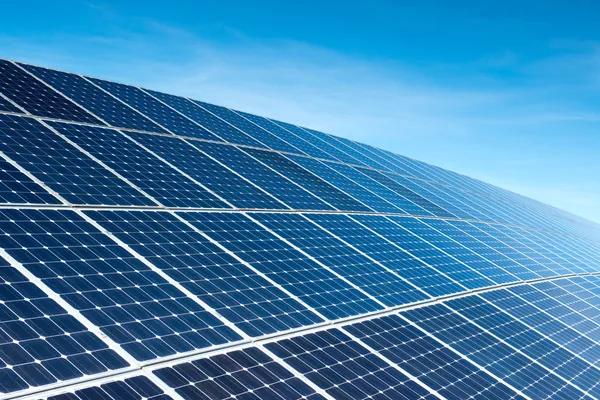
In recent years, solar panel technology has seen significant advancements, resulting in improved energy performance and making solar power a more viable option for both residential and commercial use. These modern upgrades have not only enhanced the efficiency of energy capture but also contributed to the reduction of costs associated with solar energy systems. One of the most notable improvements is in photovoltaic cell technology. Traditional silicon-based cells are now being supplemented or even replaced by alternatives like perovskite cells, which promise higher efficiency rates at a lower cost. Perovskite materials can be manufactured using simpler processes compared to silicon, potentially reducing production expenses while maintaining high levels of light absorption.
Another groundbreaking development is bifacial solar panels, which capture sunlight from both sides instead of just one. This design allows them to harness reflected sunlight from surfaces such as roofs or the ground beneath them, thereby increasing their overall output. Bifacial panels are particularly effective in areas with high albedo surfaces like snow-covered regions or sandy deserts where light reflection is significant.
Additionally, advancements in tracking systems have greatly augmented the performance of solar installations. Solar trackers adjust the orientation of panels throughout the day to follow the sun’s path across the sky. By check full article optimizing angles for maximum exposure, these systems ensure that panels operate at peak capacity during daylight hours. Dual-axis trackers offer even greater precision by adjusting both vertically and horizontally.
Energy storage solutions have also experienced significant progress alongside panel upgrades. Modern battery technologies such as lithium-ion and emerging solid-state batteries provide efficient storage options that allow excess energy generated during sunny periods to be stored for later use when sunlight is unavailable. This capability not only maximizes self-consumption but also enhances grid stability by smoothing out supply fluctuations.
Furthermore, smart inverter technology plays a crucial role in boosting system efficiency by converting direct current (DC) produced by solar panels into alternating current (AC) used by home appliances more effectively than ever before. Smart inverters can communicate with other devices within an energy management system to optimize consumption patterns based on real-time data analysis.
Lastly, innovations in material science have led to anti-reflective coatings and self-cleaning surfaces that keep panels operating efficiently over time without requiring frequent maintenance interventions.
These modern upgrades collectively contribute towards making solar power an increasingly attractive option worldwide due to its improved reliability and cost-effectiveness compared with traditional fossil fuels or older renewable technologies. As research continues unabatedly within this field we can expect further enhancements that will drive broader adoption globally thus playing a critical role in transitioning toward sustainable energy futures.