Roofing in Hanover requires a combination of the right tools and techniques to ensure durability, safety, and aesthetic appeal. Whether working on residential or commercial properties, understanding the essential equipment and methods is crucial for successful roofing projects. The region’s climate demands roofs that can withstand varying weather conditions, including snow, rain, and wind. Therefore, selecting appropriate materials and applying proper installation techniques are vital steps in achieving long-lasting results.
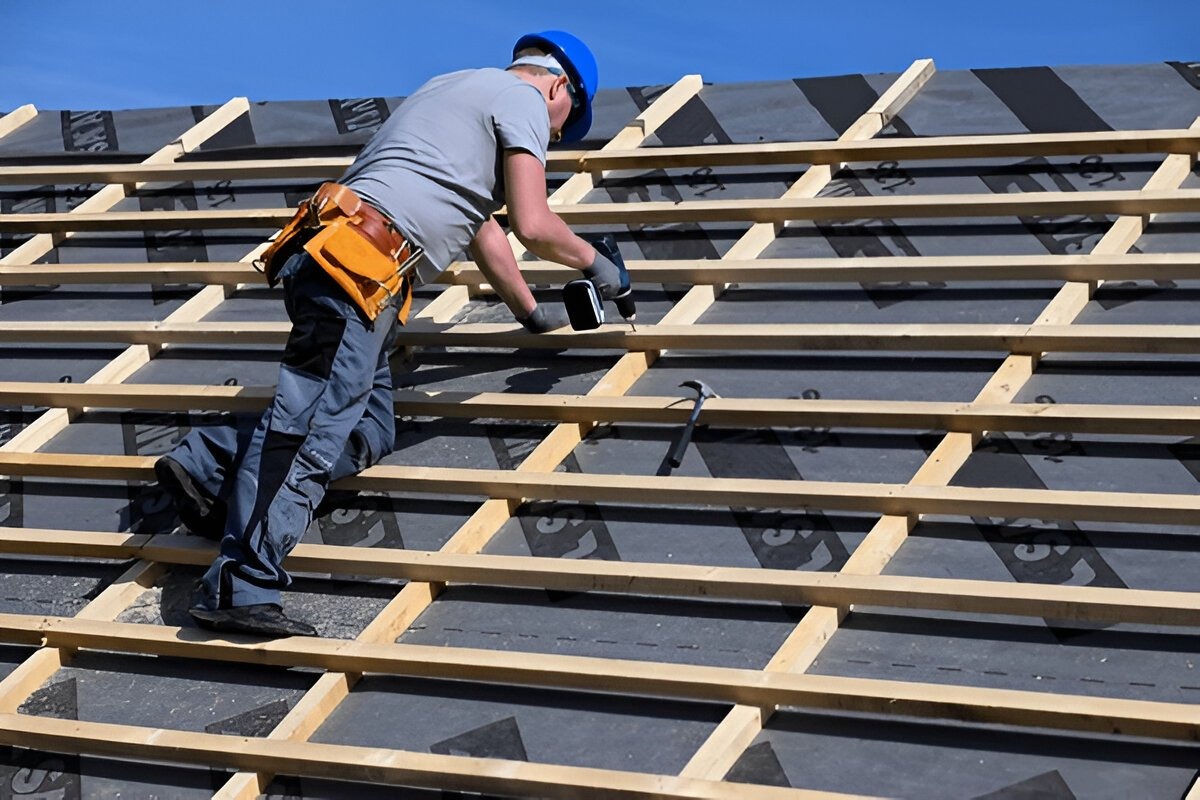
One of the fundamental tools used in roofing is the hammer. Roofing hammers are specially designed with a straight claw for removing nails efficiently while allowing precise driving of new ones. Alongside hammers, nail guns have become increasingly popular for speeding up learn the ins and outs nailing process without compromising accuracy. These pneumatic or cordless devices reduce manual effort significantly but require careful handling to avoid damage to roofing materials.
Measuring instruments such as tape measures and chalk lines play an important role in ensuring accurate cuts and alignment of shingles or other roofing components. Accurate measurements prevent material waste and promote uniformity across the roof surface. Utility knives equipped with sharp blades help cut shingles precisely according to required dimensions while minimizing fraying edges.
Ladders and scaffolding provide safe access to elevated areas during roofing work. Proper placement and secure footing are necessary to prevent accidents when climbing onto rooftops or moving along their slopes. Safety harnesses attached to anchor points offer additional protection against falls by stabilizing workers during challenging maneuvers.
When it comes to techniques used in Hanover roofing projects, starting with thorough inspection is essential before any repair or installation begins. Identifying weak spots such as cracked shingles or damaged flashing allows timely intervention that prevents leaks later on. Removing old material carefully avoids damaging underlying structures like decking boards.
Installation typically starts at the lower edge of a roof progressing upwards so overlapping layers direct water flow away from vulnerable joints beneath them effectively preventing infiltration issues over time. Applying underlayment beneath shingles adds an extra barrier against moisture penetration while improving overall insulation performance.
Proper ventilation incorporated into roof design helps regulate temperature inside buildings by allowing airflow between attic spaces and external environment; this reduces condensation buildup which can otherwise cause mold growth or wood rot affecting structural integrity adversely.
In summary, successful roofing projects in Hanover depend heavily on using specialized tools combined with proven techniques tailored for local environmental challenges.