As electric vehicles (EVs) become increasingly popular, more homeowners are considering installing EV chargers at their residences. Having a dedicated charger at home offers convenience, cost savings, and supports the growing shift toward sustainable transportation. However, before proceeding with an EV charger installation, there are several important factors homeowners should understand to ensure a safe, efficient, and compliant setup.
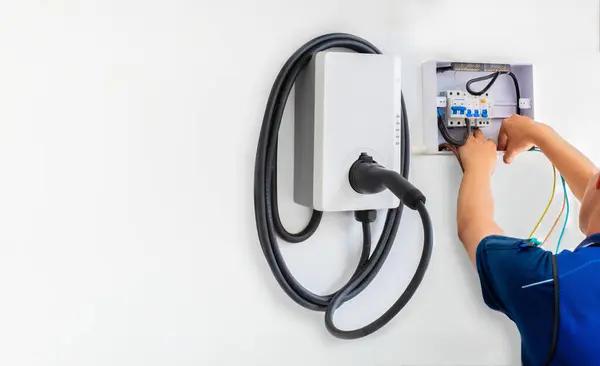
First, it is essential to evaluate your home’s electrical capacity. Most EV chargers require a significant amount of power, typically 240 volts, similar to what is used by large appliances like dryers or ovens. Older homes may have electrical panels that cannot EV charger installer in Colorado Springs support the additional load without upgrades. A licensed electrician should assess your electrical system to determine if your panel can handle the charger or if you need to install a sub-panel or upgrade the main panel. This step prevents potential overloading and electrical hazards.
EV Charger Installation Colorado Springs
Choosing the right type of EV charger is another critical consideration. There are generally two levels of charging stations for home use—Level 1 and Level 2. Level 1 chargers plug into a standard 120-volt outlet and provide slower charging, often adding only a few miles of range per hour. In contrast, Level 2 chargers require a 240-volt circuit and can charge an EV much faster, often fully charging a vehicle overnight. Most homeowners prefer Level 2 chargers for practicality and convenience, although installation costs can be higher due to electrical work needed.
Location and installation details also matter. The charger should be placed in a convenient spot, usually near the garage or driveway where the vehicle will be parked. Weatherproofing is important if the charger is installed outdoors. The installation must comply with local building codes and electrical regulations, which may require permits and inspections. Hiring a certified professional ensures the installation is safe and meets all legal requirements.
Another aspect to consider is the potential for future upgrades. If you plan to acquire more electric vehicles or invest in solar panels and battery storage, it makes sense to install a charger and electrical system that can accommodate these expansions. Some EV chargers come with smart features like energy monitoring, scheduling, and integration with home energy systems, offering additional benefits.
Finally, homeowners should explore potential incentives and rebates available in their region. Many governments and utility companies offer financial incentives to encourage EV adoption and charger installation. Taking advantage of these programs can significantly reduce upfront costs.
In summary, installing an EV charger at home involves more than just plugging in a device. Understanding your electrical system’s capacity, selecting the appropriate charger type, ensuring proper installation and compliance, and considering future needs are all vital. Consulting with qualified professionals and researching local incentives will help homeowners make informed decisions and enjoy the full benefits of EV ownership.
Z-Electric LLC
Colorado Springs, CO 80925
719-663-8783